"Only the brave teach."
Focused Instructional Model (FIM)
FIM transforms classroom instruction and drives increases in student achievement. This systematic process provides an opportunity for teachers to scaffold student learning and encourages the growth of numeracy, literacy, and science skills from an early age. Teachers use the process to monitor their students’ mastery of content area foundational skills and provide interventions as appropriate. It is an integrative, holistic, evidence-based approach to teaching built on instructional best practices.
IEE's FIM model was a key element of 2015 Supporting Effective Educator Development Grant in partnership with the National Forum to Accelerate Middle-Grades Reform. Watch this video to learn more about FIM and how it positively impacts mathematics outcomes.
Here's an example of how Reese Public Schools, in Michigan, uses FIM with their students.
FIM IN A NUTSHELL
The FIM process consists of three major components, each with specific benefits to student learning and teacher instruction. Together, daily practice, progress monitoring, and data tracking create a classroom system. This system provides students with daily interaction with the content, teachers with consistent formative data, and the classroom community with data tracking tools that build patterns for learning and cement mastery.
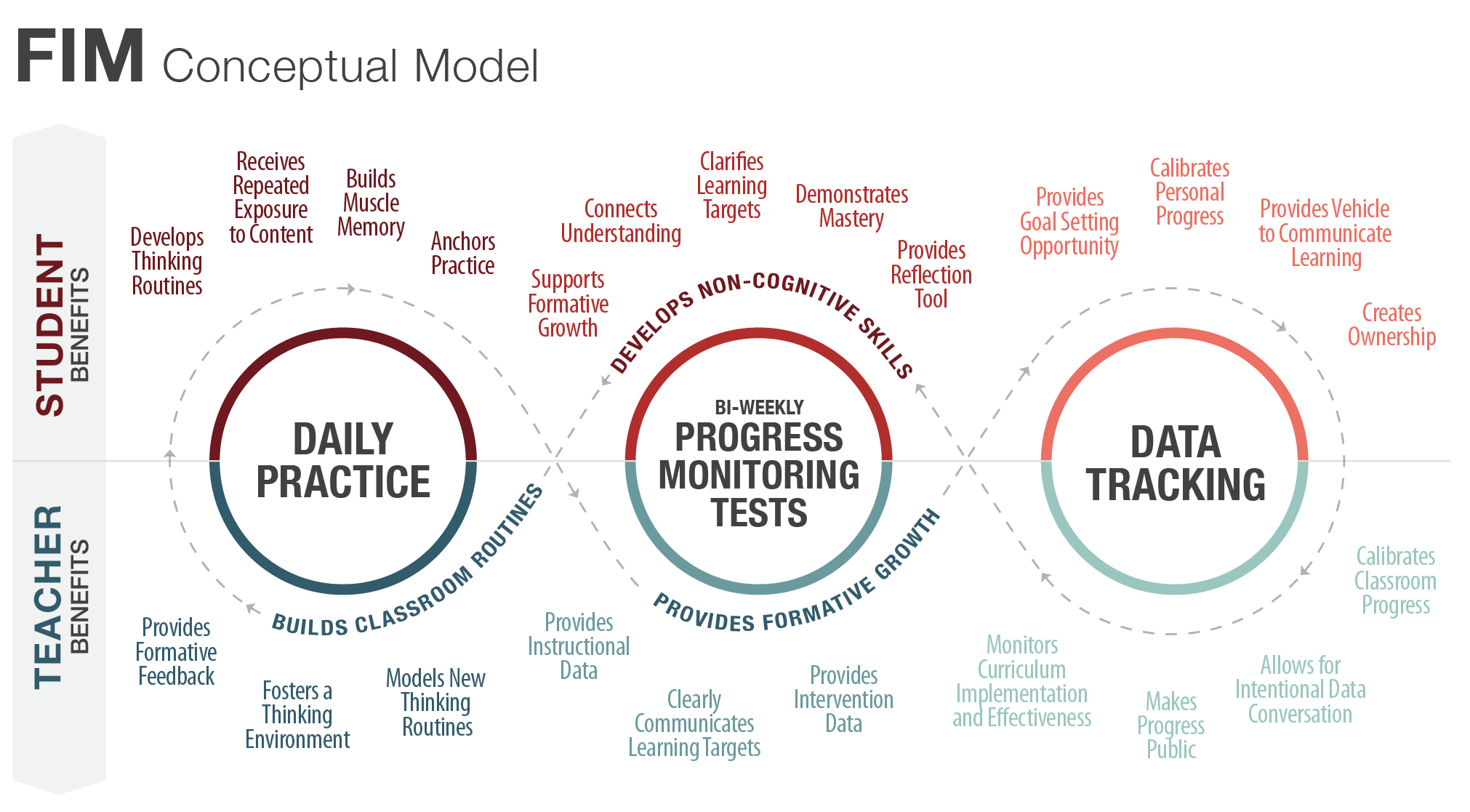
Daily Practice
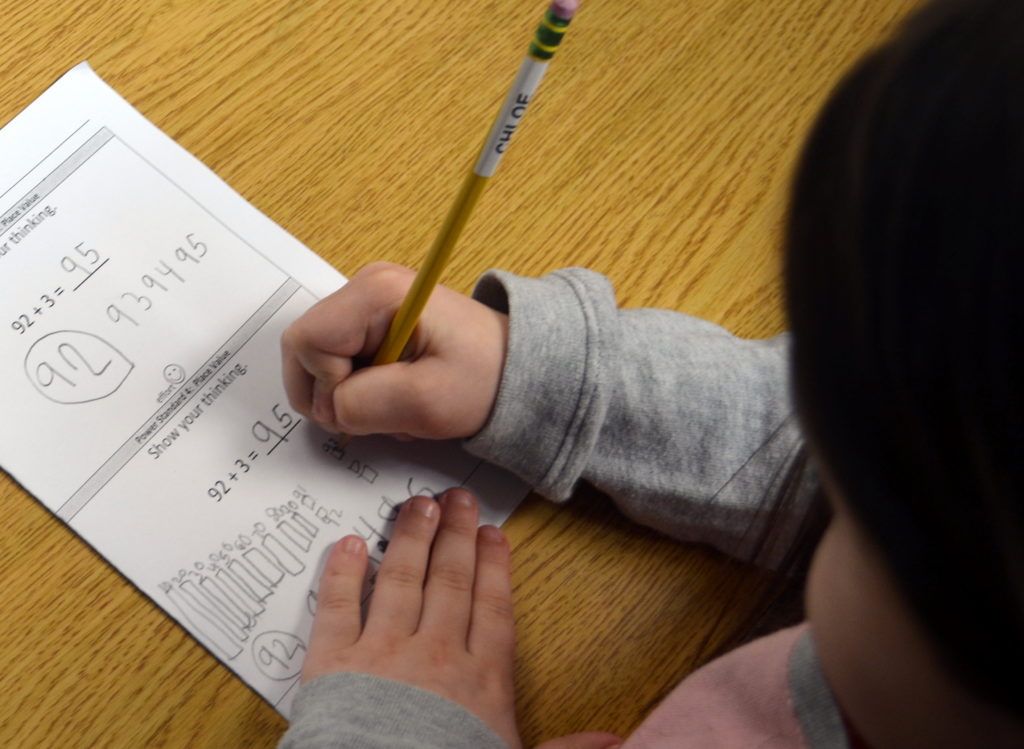
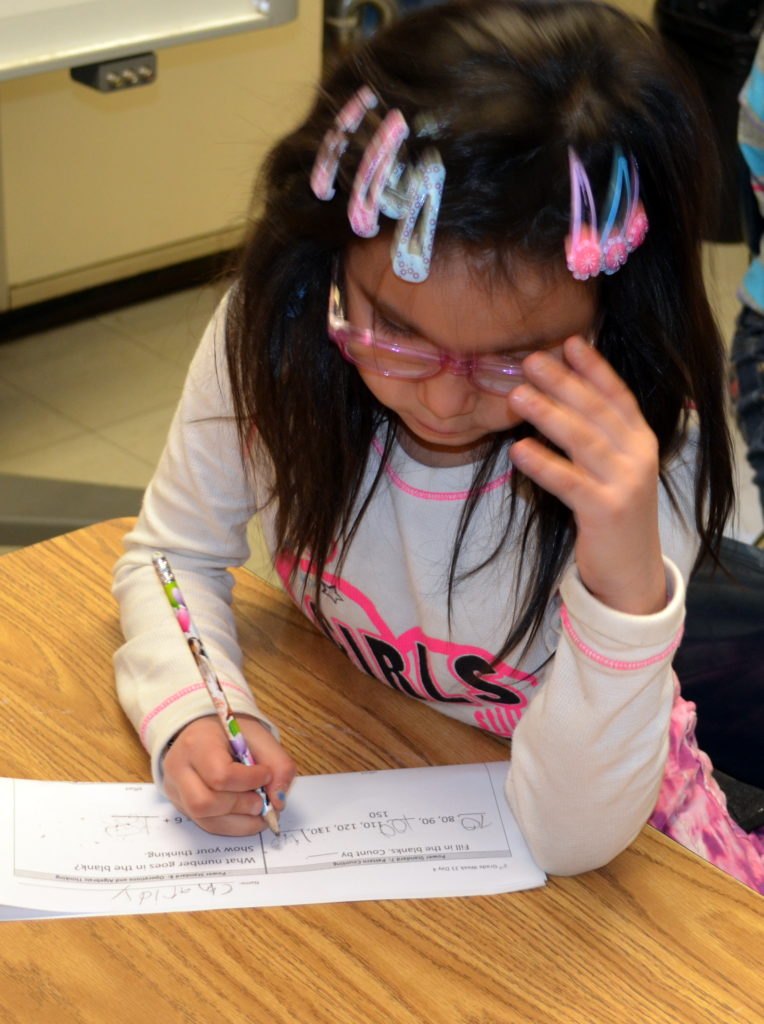
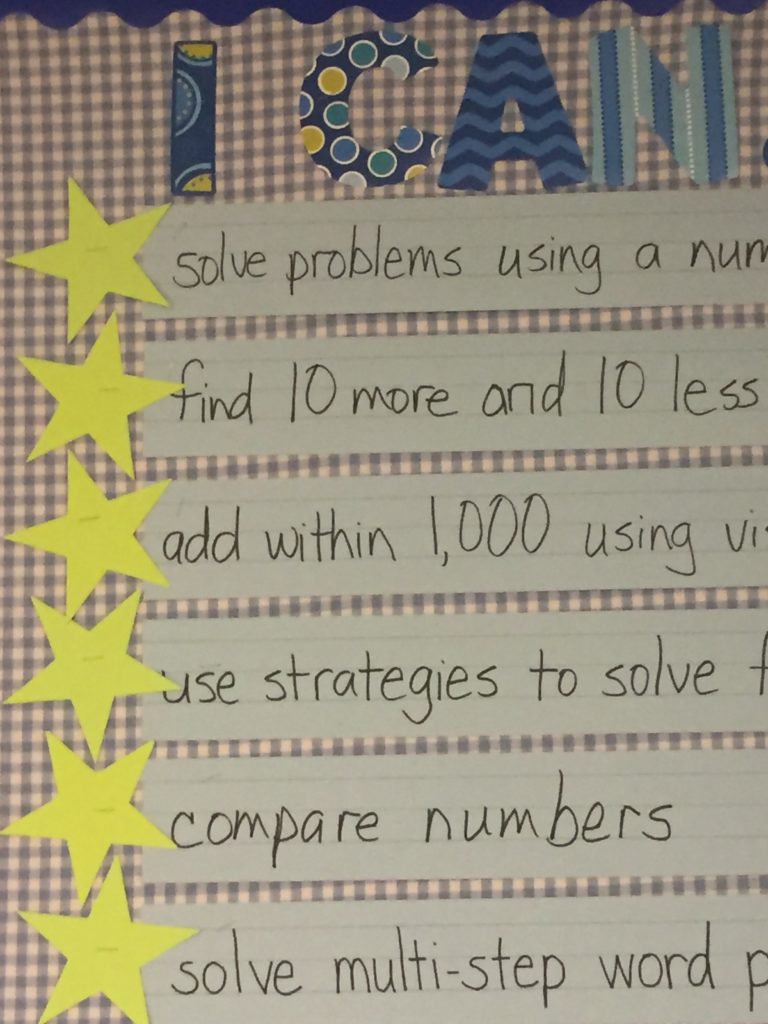
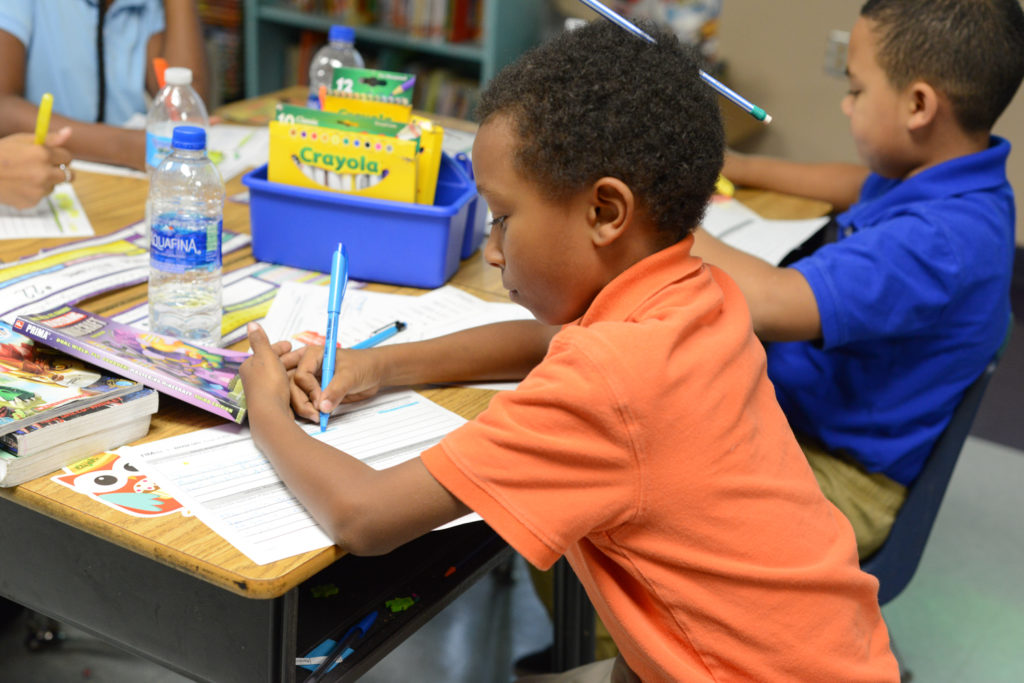
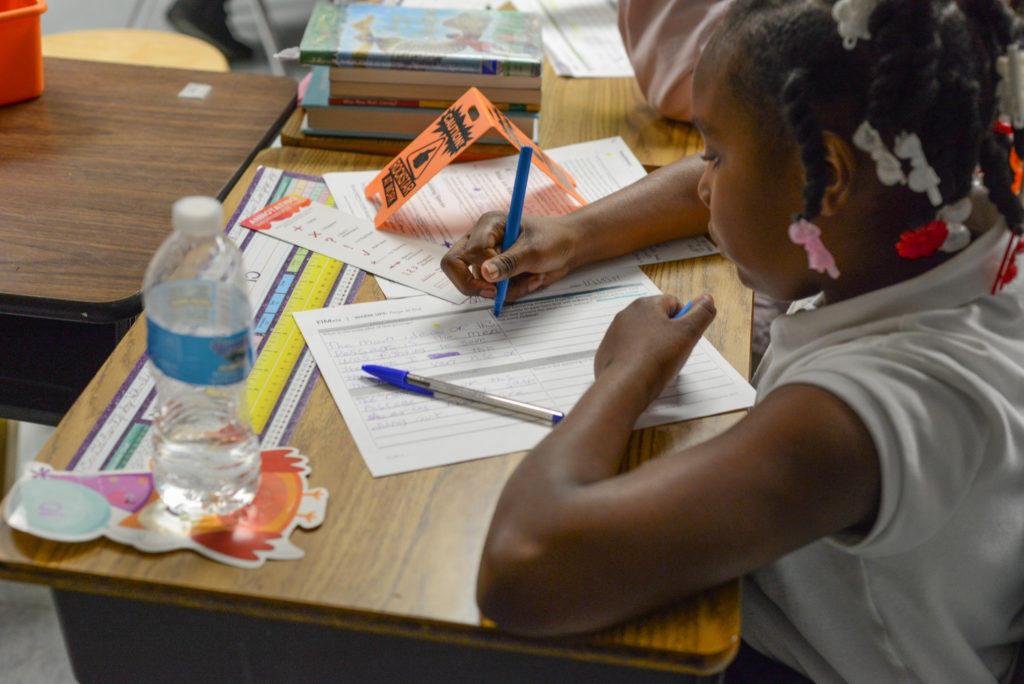
Using common core suggestions, teachers choose 16 critical areas of focus to cycle through all year long. In just 10 minutes a day, students solve 2 problems with an emphasis on effort. The teacher’s responsibility is to show different ways of solving.

Bi-Weekly Progress Monitoring Assessments
In a month, all 16 mathematical standards are assessed through data collection and analysis of student work. Grade level collaboration brings to light areas of strengths and stretches and guides future instructional practice.



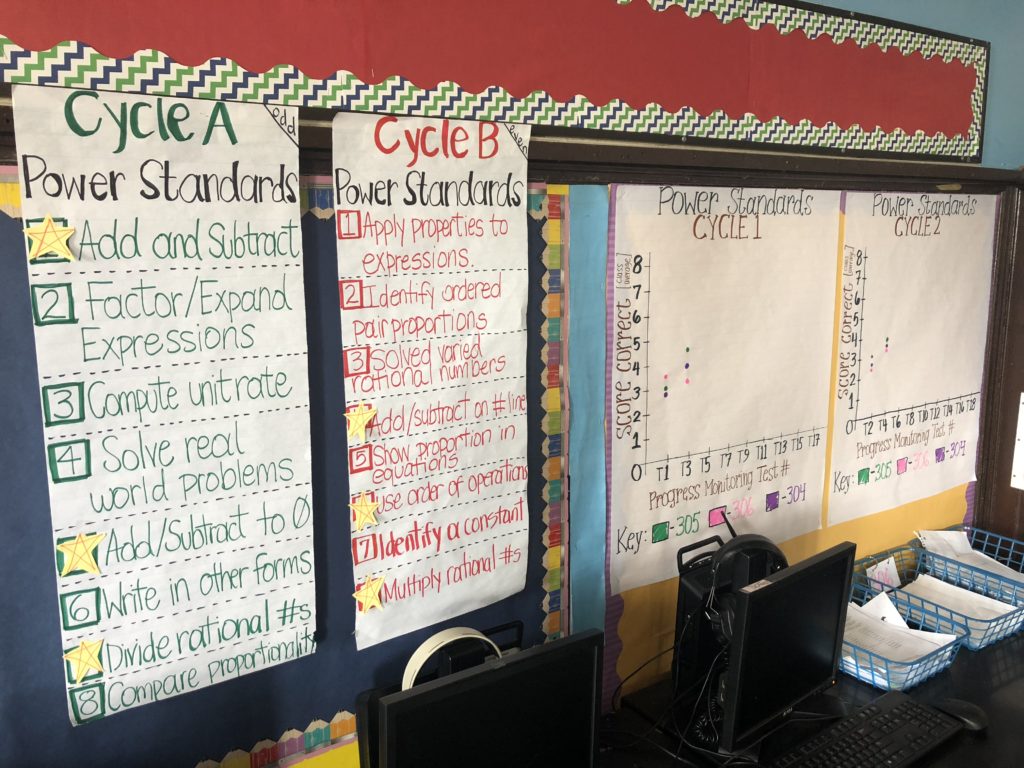
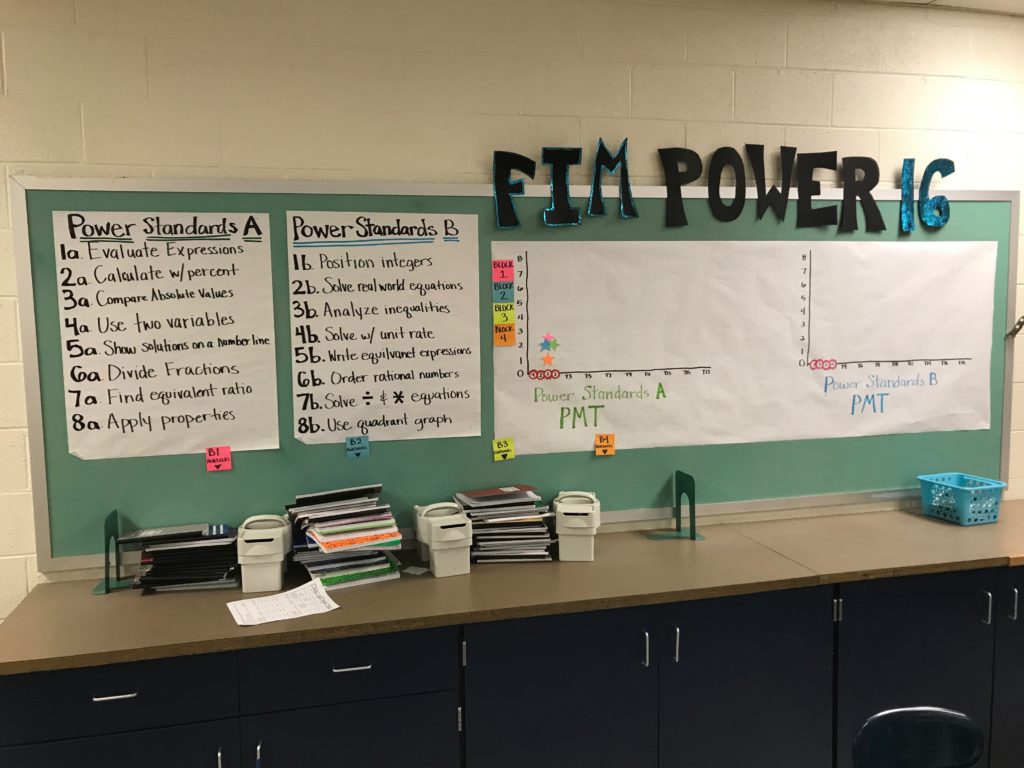
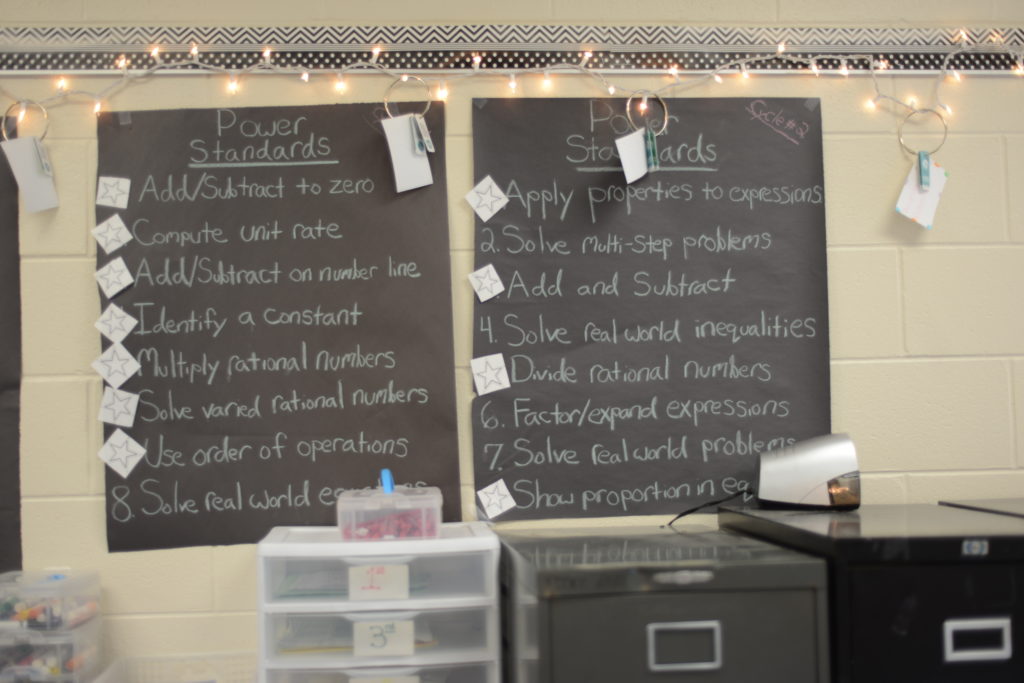
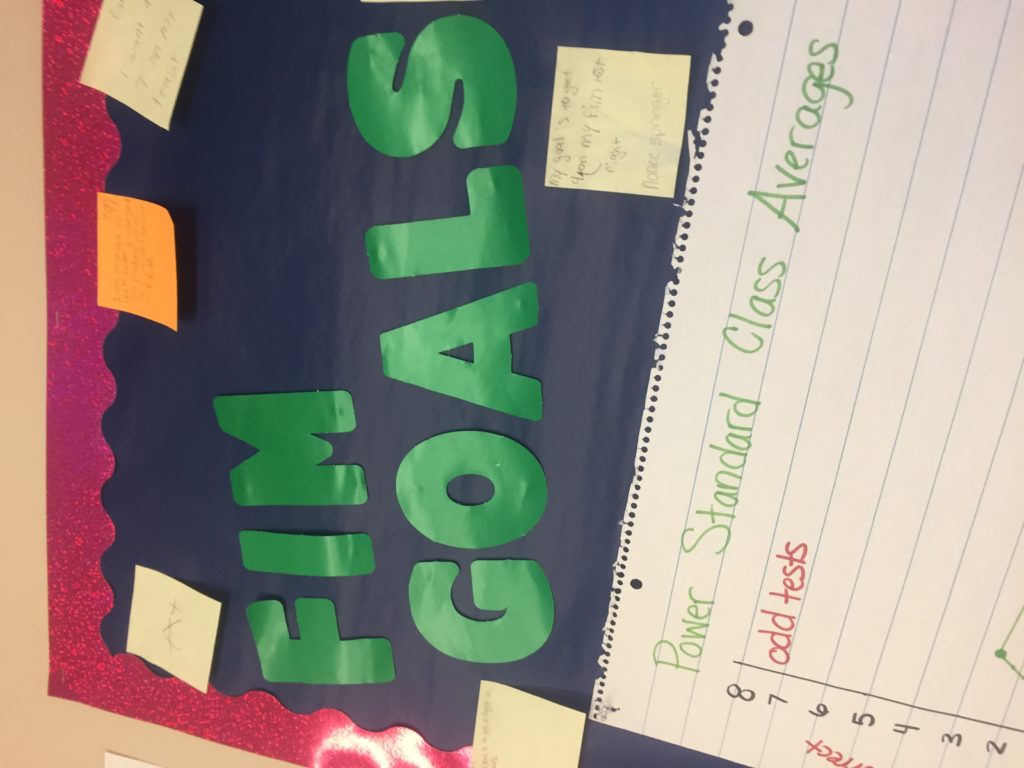
Data Tracking
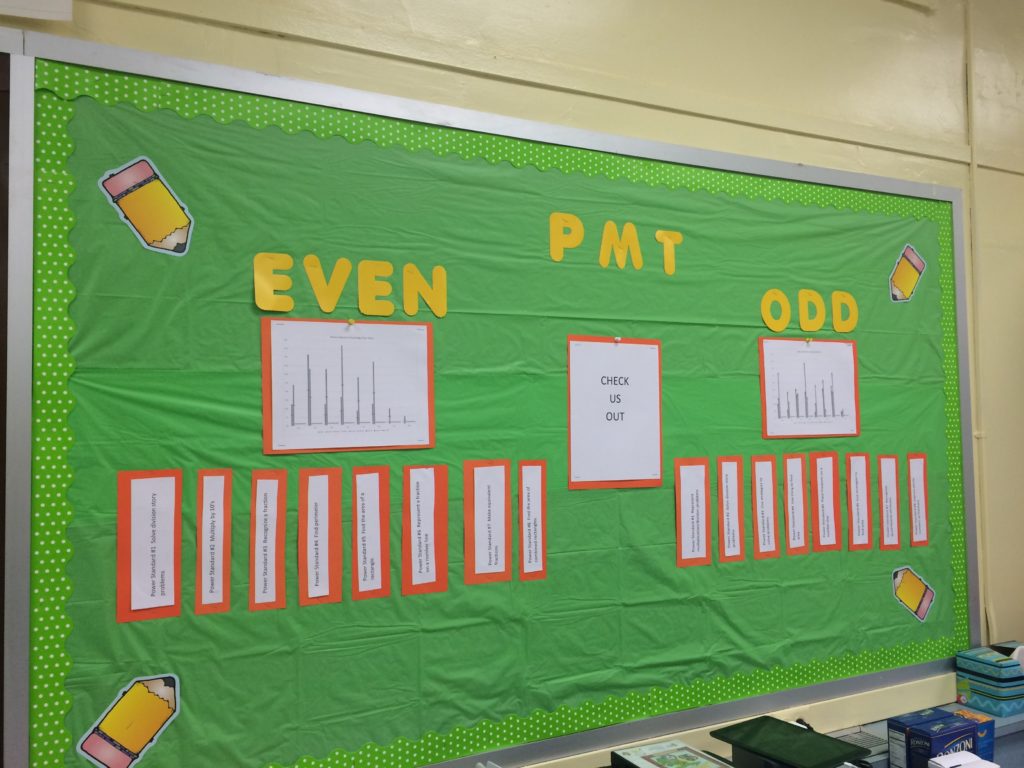
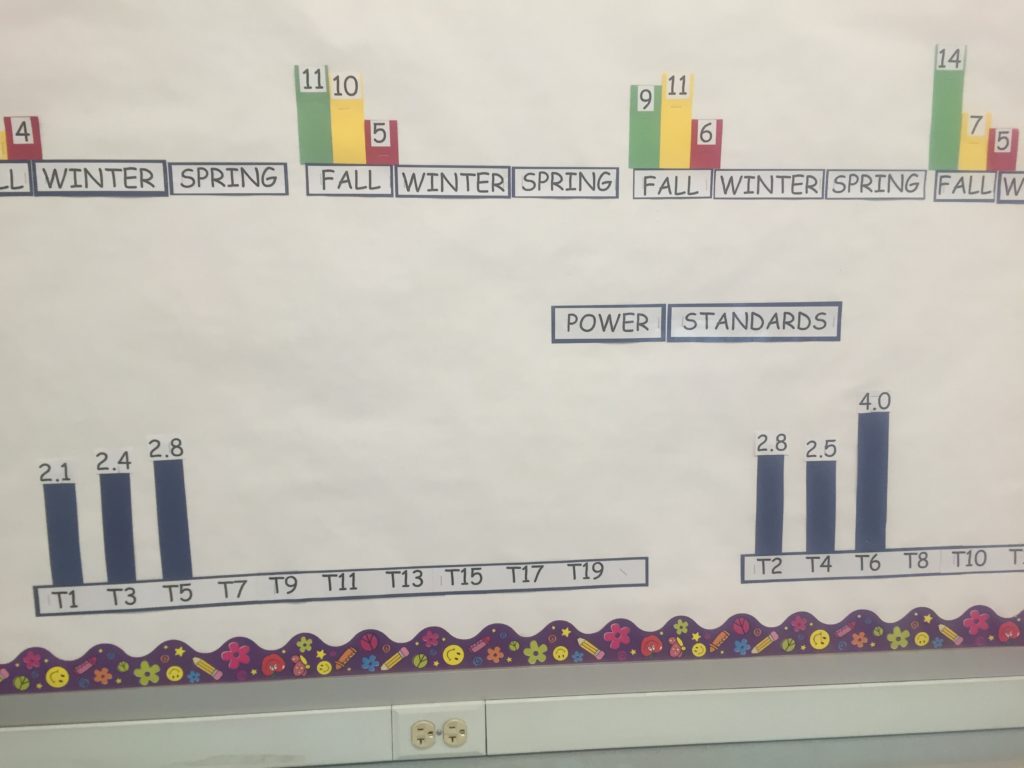
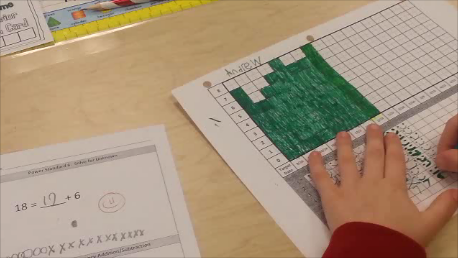
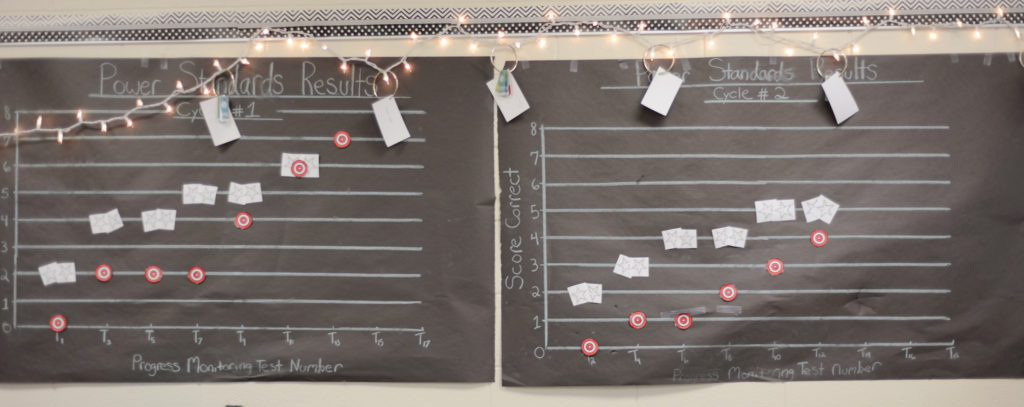
Data transparency is key to student ownership and drives growth-minded thinking. Check out a first grader as she inputs and tracks her FIM data.
FIM Brag Tags
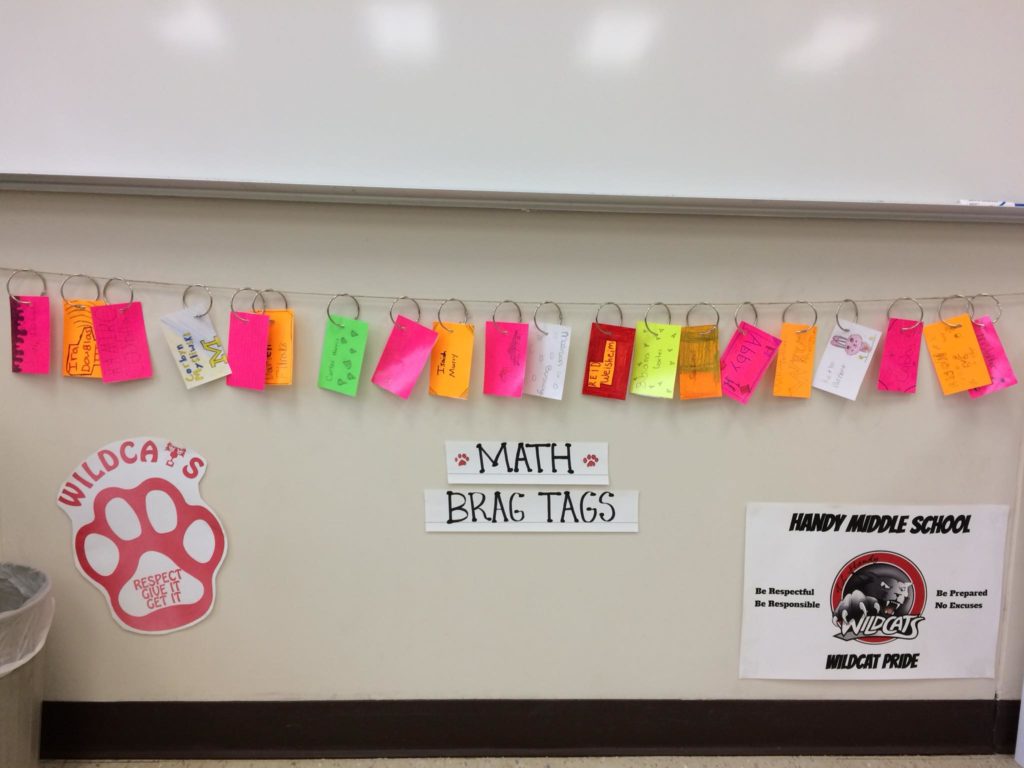
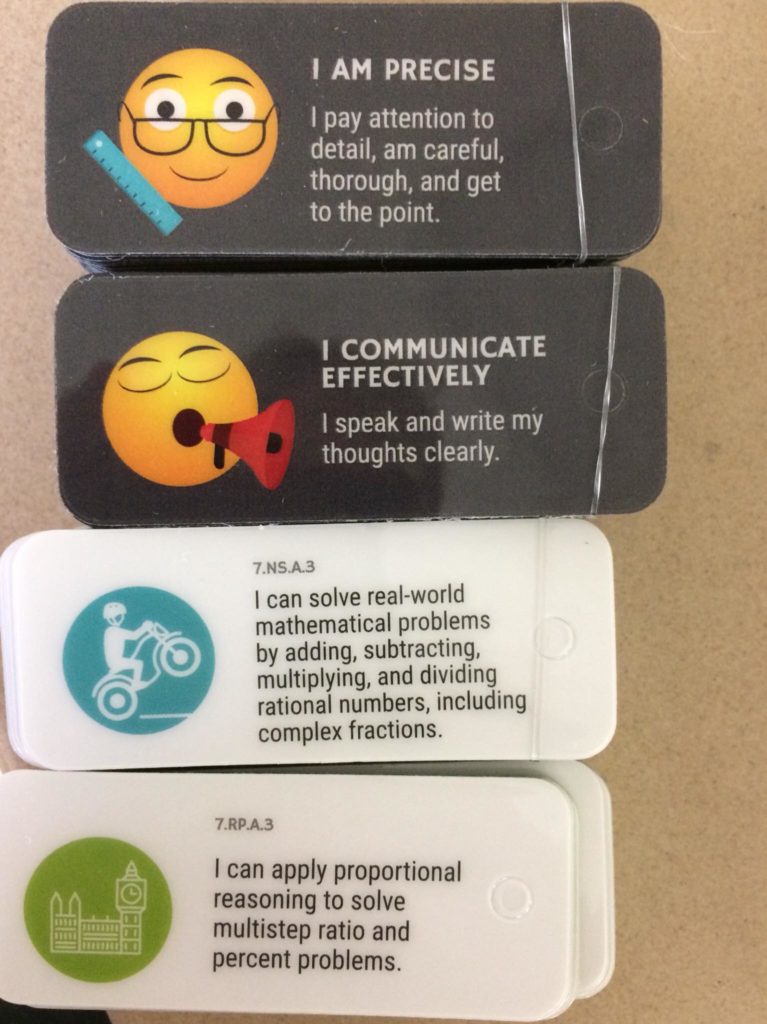
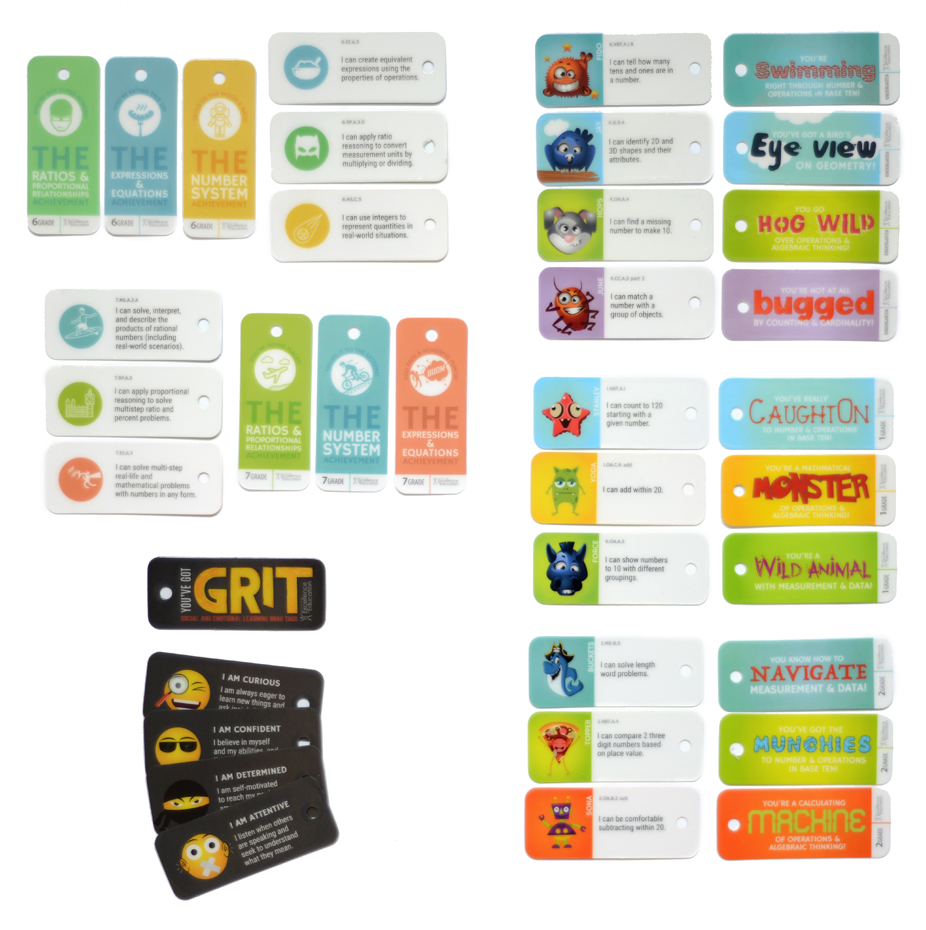
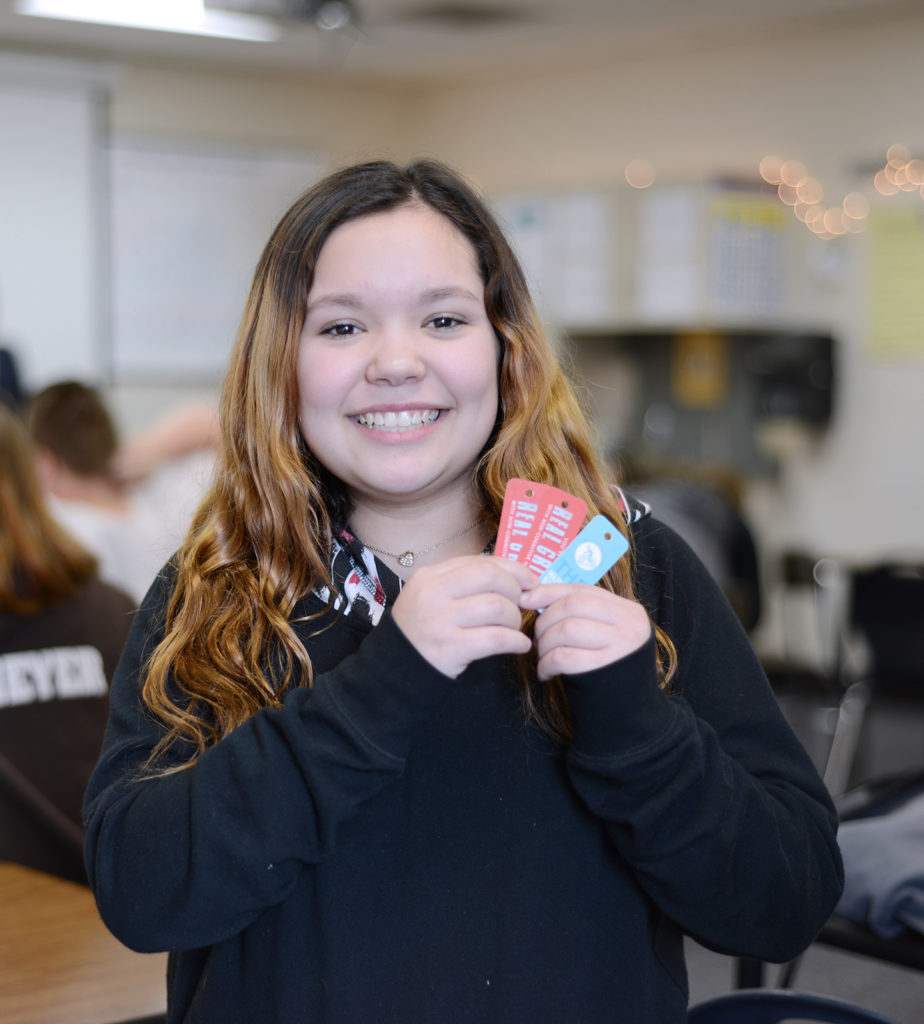
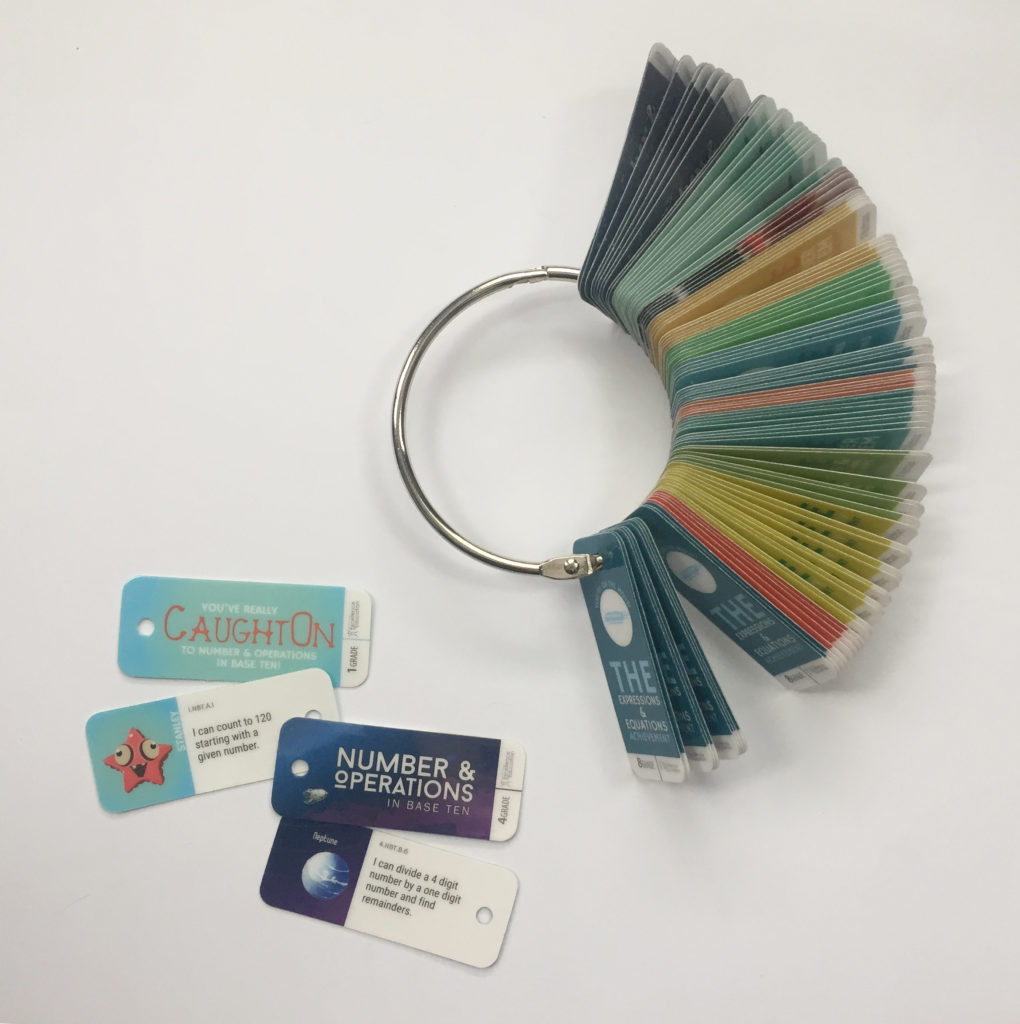
FIM extends learning by providing a celebratory way to recognize students who are mastering math content and non-cognitive skills. Brag Tags provide a way for students to keep track of what they’ve learned while having fun earning more tags to put on their backpack rings.
Social-Emotional Learning. One of the most powerful gifts given to students is the teaching of social-emotional skills. Helping students find their reasons for doing classwork and working hard will prepare them for life’s challenges. Persevere, young scholars!


FIM Tier II intervention system
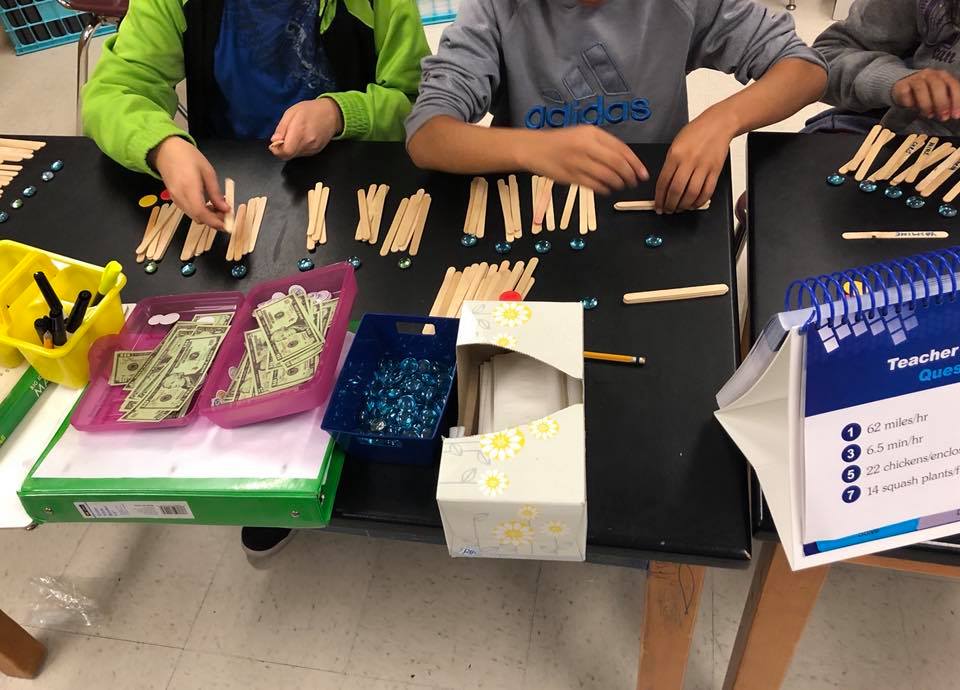
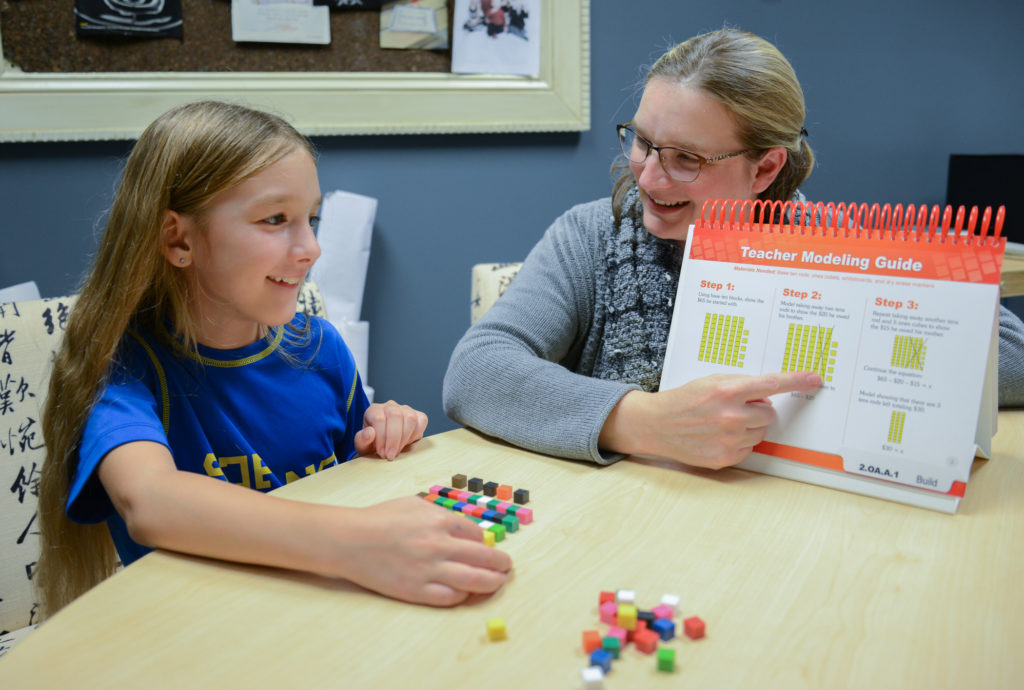
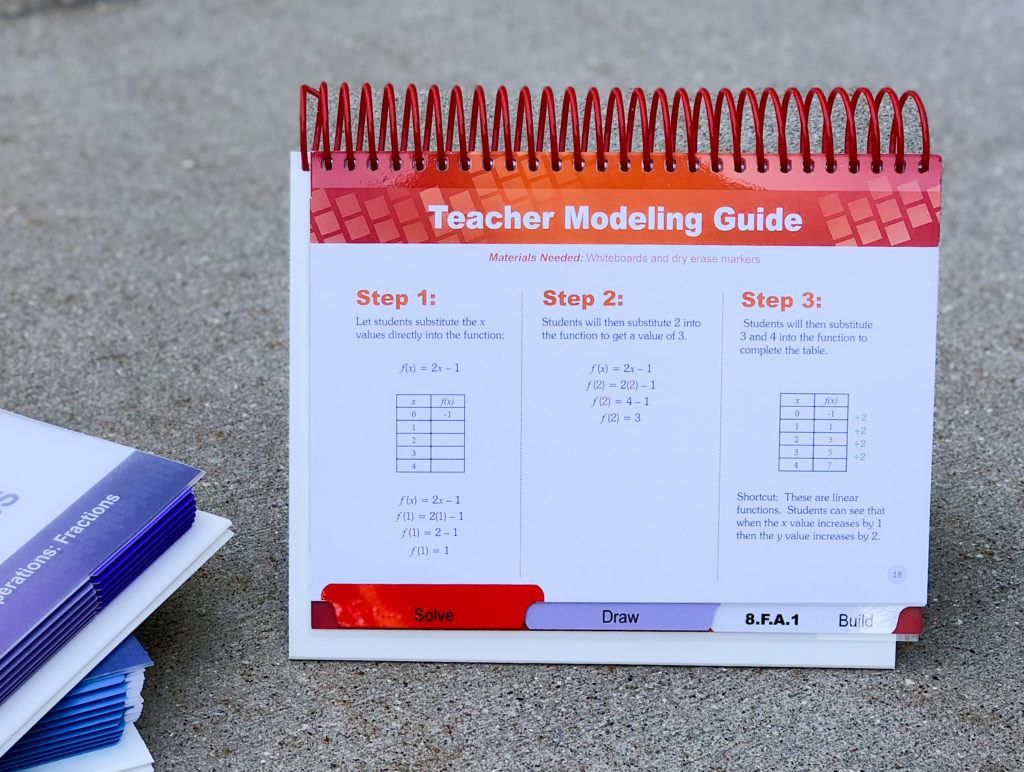
Math Strengths and Stretches is a Tier II intervention system that provides teachers a way to be responsive to the FIM data in an intentional manner. Students struggling with a particular standard will progress through a build, draw, solve continuum of learning to ensure they have a strategy on which to anchor their thinking. It only takes 15 minutes a day.